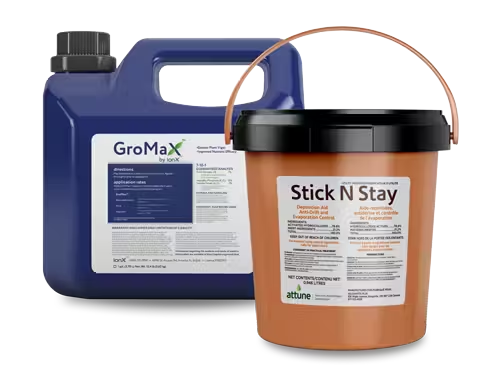
Industrial Chemical Labels
Heavy-duty label solutions that ensure lasting readability and compliance on drums, canisters, IBCs and process containers.
Film faces with high resistance to solvents, oils and corrosive chemicals and industrial varnish/lamination combinations.
Long-term outdoor performance with BS5609/IMDG-compliant materials and adhesives for marine transport.
High-contrast printing and large size options for CLP/GHS pictograms, UFI and hazard communication elements.
Highlights
- BS5609 Grade 2/3-compliant drum label systems
- Long-lasting resistance to UV, saltwater and harsh weather
- High initial and ultimate tack on LSE HDPE jerrycans
- Superior chemical resistance with thermal transfer resin ribbons
- Large sizes and heavy-duty adhesive liners
Material Options
Papers
- Kraft / industrial coated (for secondary packaging)
- Synthetic paper (tear-resistant, lacquered for outdoor use)
Films
- PE/PP films (compatible with HDPE drums and jerrycans)
- High-modulus PET (UV and abrasion resistance)
- Metalized film (visual highlight and durability)
Special Applications
- BS5609 Grade 2/3 certified systems
- Peel-read / multi-language safety information labels
- Tamper-evident seals and security slits
Adhesives
- Solvent acrylic (outdoor and chemical resistance)
- Heavy-duty permanent acrylic (wide temperature range)
- LSE-compatible high-tack (HDPE/PP surfaces)
- Removable (temporary process and staging labels)
Finishes
- High chemical-resistance gloss/matte varnish
- PET/PP lamination (abrasion and solvent protection)
- Spot UV and security varnish
- Hot/cold foil (to highlight warnings/critical areas)
Durability & Compliance
Solvent/Chemical Resistance
Long-term readability against acids, alkalis and organic solvents using resin ribbon + varnish/lam combinations.
Abrasion/Wear
High-hardness topcoats to withstand forklift handling, stacking and transport abrasion.
UV/Sun
UV-stable materials and ink systems for labels exposed to direct sunlight.
Outdoor/Marine
Systems compliant with BS5609 for combined effects of saltwater, rain, temperature swings and UV.
GHS/CLP Compliance
Layouts that meet standards for hazard pictograms, signal word, H/P statements and supplier information.
BS5609 (IMDG)
Material–ink–adhesive combinations that pass the mandatory durability tests for marine transport.
Artwork Delivery Guide
- PDF/X-1a with fonts outlined; 3 mm bleed, 2 mm safe area
- Pictograms as red-framed squares on white; short side ≥ 16 mm
- Barcode/GS1 and DataMatrix with adequate quiet zone and ≥ 300 dpi
- For TTR resin overprint, prefer solid fills over heavy screens in dark single-color areas
Process
- Application analysis and site/handling conditions assessment
- Define BS5609 or equivalent requirements
- Material & adhesive sampling with line tests
- Preflight, proof and approval
- Serial production, quality control and shipment
Use Cases
- Drum and IBC tank labels
- HDPE jerrycans and bottle labels
- Solvent/oil and additive products
- Acid/alkali chemicals
- Industrial cleaners and disinfectants
Frequently Asked Questions
What’s the difference between BS5609 Grade 2 and Grade 3?
Grade 2 verifies the material’s durability in seawater; Grade 3 validates the full printed label’s adhesion and legibility as a complete system.
Which ribbon type is best for chemical resistance?
Resin (R) ribbons are typically recommended; always confirm ribbon–label compatibility with on-line tests.
How do we prevent lifting on HDPE drums?
Use LSE-compatible high-tack acrylics and ensure proper surface prep (clean, dry, oil-free) to improve initial and ultimate adhesion.
How can we reduce UV fading outdoors?
Select UV-stable ink systems and add protective varnish/lamination to slow down color fade.
Is BS5609 mandatory for sea transport?
For hazardous chemicals shipped by sea, BS5609 compliance is generally required by consignors and insurers.